Science
DOE researchers show microbes can turn hazardous biomass pretreatment waste into valuable chemicals for plastics and other products
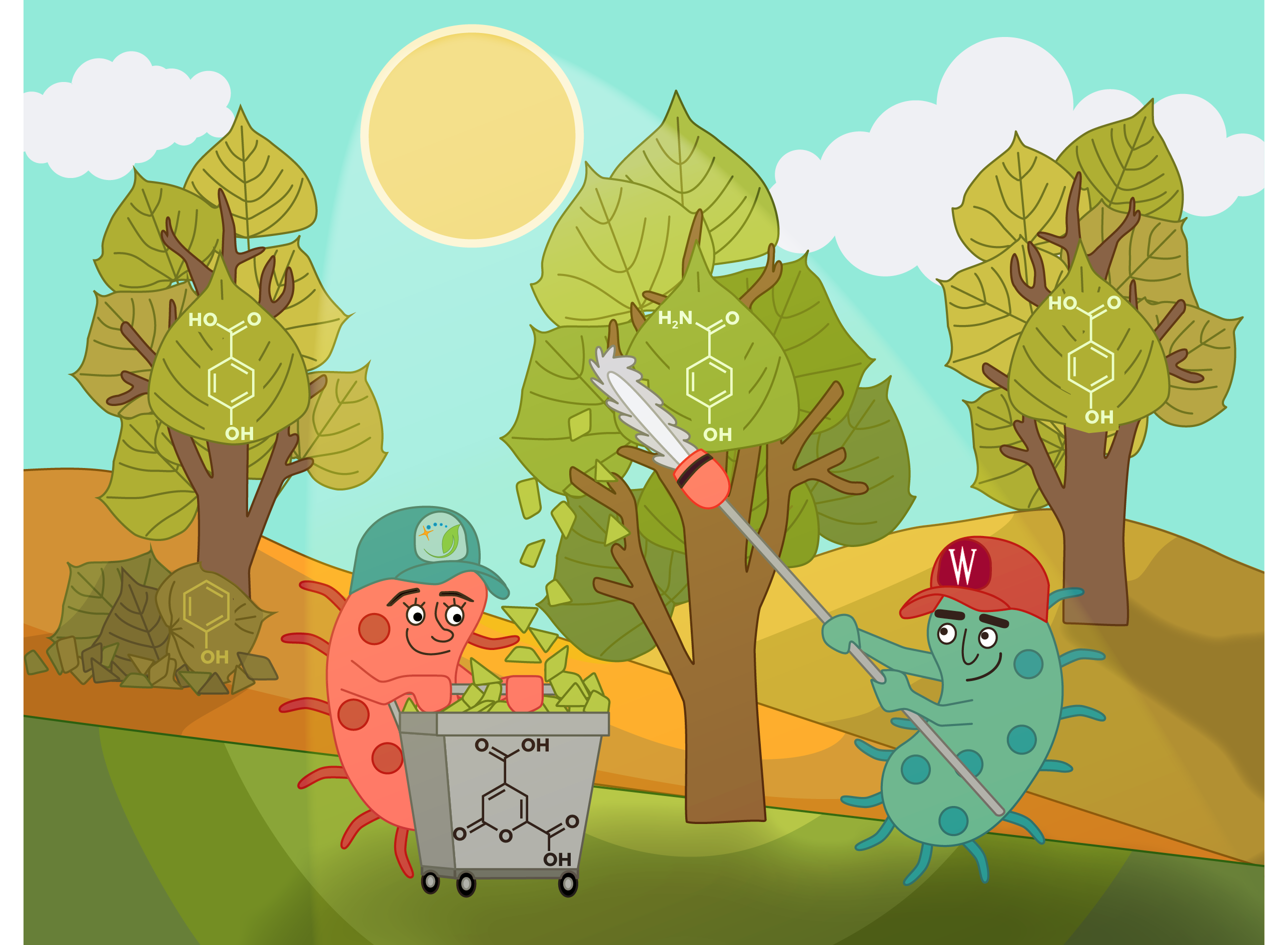 Image: Primary
 Researchers supported by the U.S. Department of Energy reported that microbes can convert phenolic compounds in hazardous liquid waste from biomass pretreatment into chemicals used to make plastics and other products, according to a July 8, 2026, summary from the DOE Office of Science Biological and Environmental Research program.
The study examined spent liquor left after aqueous ammonia pretreatment of poplar wood. That leftover liquid contains hazardous compounds that must be treated before disposal. Researchers identified main phenolics including phenol, p-hydroxybenzamide and p-hydroxybenzoic acid, and evaluated how metal additives used in pretreatment affected phenolic formation.
An engineered strain of the bacterium Novosphingobium aromaticivorans was tested to convert the phenolics into 2-pyrone-4,6-dicarboxylic acid, or PDC, which the DOE summary describes as a building block of nylon and other plastics. The scientists also tested microbial conversion of the phenolics into chemicals for plastics, adhesives and medicines.
Biotransformation of p-hydroxybenzamide to PDC was possible in the presence of p-hydroxybenzoic acid but not when p-hydroxybenzamide was the sole phenolic substrate. Phenol present was not transformed to PDC and did not inhibit PDC production. The summary said this is the first report on making PDC from phenolic amide using N. aromaticivorans.
Funding came through the Great Lakes Bioenergy Research Center. The work was published in ChemSusChem by Zhou and colleagues. Contact listed was Steven Karlen of the Great Lakes Bioenergy Research Center.
Sources
Evidence entered
Admission Evidence and chronology passed Science
Publication receipt Entered the validated Newswire
In this story

Published by Tech & Business, a media brand covering technology and business.
This story was sourced from DOE Office of Science and reviewed by the T&B editorial agent team.
Back to Newswire